
For decades, the global imagination painted a single picture for casino entertainment: the neon-drenched oasis of Las aVegas. It was the undisputed heavyweight champion of gambling, a cultural touchstone synonymous with high-stakes risk and reward. But in the 21st century, the deck has been reshuffled. A new class of gambling hub has emerged, not as mere imitators of the Vegas model, but as powerful, multi-faceted destinations that are fundamentally altering the flow of global tourism and wielding significant political influence. These new capitals, from the glittering towers of Macau to the meticulously planned resorts of Singapore, are not just changing the game—they are building entirely new ones.
This evolution is driven by a strategic pivot from pure gambling to the concept of the “integrated resort.” These mega-destinations are complex economic engines, blending high-end casino floors with luxury retail, Michelin-starred dining, world-class entertainment, and massive convention centers. They cater to a broader demographic, attracting not only high-rollers but also families, business travelers, and casual tourists. In doing so, they become indispensable pillars of their national economies, granting the industry a level of political access and stability that was previously unimaginable. This is the story of how that power was built and what it means for the world.
The Integrated Resort: A Blueprint for Economic Dominance
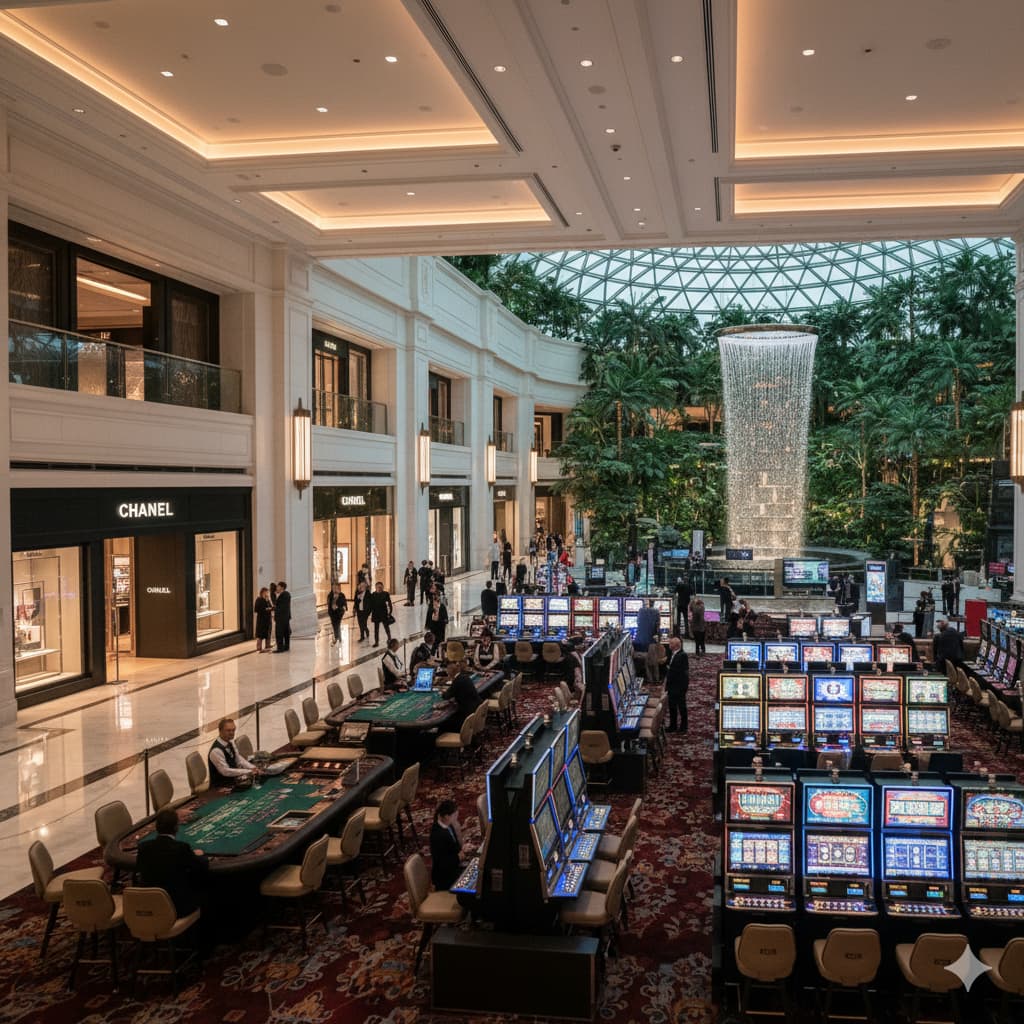
The success of these new hubs lies in their mastery of the integrated resort model. Unlike the traditional casino, which is a standalone entity, an integrated resort is a city within a city, designed for maximum visitor capture and spending. The casino floor is often the economic heart, but it is supported by a vast ecosystem of non-gambling revenue streams. This diversification is key; it provides insulation from economic downturns and broadens the resort’s appeal far beyond the core gambling market. It also makes the project far more palatable to governments and local populations who may be wary of the social costs of gambling alone.
This model is a masterclass in urban planning and consumer psychology, meticulously designed to be a self-contained universe of entertainment and commerce. The goal is to make leaving unnecessary. By offering a comprehensive suite of attractions, these resorts secure a larger share of the tourist’s wallet and extend the average length of their stay, creating a powerful multiplier effect for the local economy.
The core components of a successful integrated resort typically include:
- A World-Class Casino: The central engine, featuring a wide array of table games and electronic machines catering to both VIPs and mass-market players.
- Luxury Accommodation: Multiple high-end hotels offering thousands of rooms to suit different budgets and tastes.
- MICE Facilities: Expansive Meetings, Incentives, Conferences, and Exhibitions venues designed to attract major international business events.
- High-End Retail: A curated selection of global luxury brands and unique boutiques.
- Fine Dining and Entertainment: A portfolio of celebrity chef restaurants, spectacular live shows, and vibrant nightlife.
This blueprint is now being replicated globally, but the digital frontier represents an even more dynamic and rapidly evolving hub. The online casino space operates without physical borders, creating a fiercely competitive global marketplace. For market analysts and regulators, examining the operational models of specific platforms, as detailed in resources like this in-depth Booi Casino analysis, provides crucial insights into player engagement and digital marketing strategies in this competitive space. This digital expansion complements the growth of physical resorts, creating a truly global gaming landscape.
From Revenue Source to Political Powerhouse
The immense economic impact of integrated resorts inevitably translates into significant political capital. When a single resort can contribute billions in tax revenue and create tens of thousands of jobs, its operators are no longer just business leaders; they become crucial partners to the government. This symbiotic relationship provides the industry with unparalleled access to policymakers, allowing them to shape regulatory frameworks and influence broader economic policy. In many regions, gambling policy is now intertwined with national tourism strategy, foreign investment initiatives, and even diplomatic relations.
This political influence is a double-edged sword. On one hand, it allows for the development of stable, well-regulated markets that can attract massive international investment. Governments become stakeholders in the industry’s success, creating predictable environments for growth. On the other hand, it raises complex questions about corporate influence and the potential for regulatory capture, where policies may favor industry interests over public welfare. The debate over managing the social impacts of gambling, such as addiction and financial distress, becomes a delicate balancing act for politicians who are also dependent on the industry’s economic contributions.
Furthermore, the rise of these hubs has geopolitical implications. Macau’s dominance, for example, has cemented its role as a vital economic link for China, while Singapore uses its resorts to project an image of a modern, sophisticated global business hub. The competition to attract international high-rollers and tourism dollars is fierce, leading to a form of “casino diplomacy” where nations use favorable gaming laws as a tool of soft power. As new markets consider legalization, they look to these established models for guidance. Nations like Brazil are on the cusp of major regulatory changes, and observers are closely watching how this giant will enter the global gambling stage. The potential for a regulated market has already spurred the creation of dedicated resources for future players and investors, such as the PlayFortune Brazil casino guide, signaling strong market anticipation.
Ultimately, the era of Las Vegas as the sole center of the gambling universe is definitively over. The new global landscape is a dynamic, multi-polar world defined by massive, economically integrated resorts and a borderless digital marketplace. These emerging hubs are more than just places to place a bet; they are powerful symbols of economic ambition and a new class of political actor on the world stage.